
In today’s high-velocity global economy, manufacturing and distribution enterprises face an unprecedented combination of operational pressures: supply chain volatility, fluctuating raw material costs, complex inventory logistics, and escalating customer demands for rapid fulfillment. Operating within this environment requires more than legacy spreadsheets and fragmented, department-specific point solutions—it demands unified, real-time enterprise architecture.
Enter SAP Business One ERP, a globally acclaimed Enterprise Resource Planning solution engineered specifically to help small and mid-market enterprises (SMEs) streamline production cycles, optimize distribution networks, and unlock sustainable profit margins.
At Fusion Infotech, Bangladesh’s premier digital transformation and certified SAP implementation authority, we help ambitious manufacturers and wholesale distributors transition from operational debt to digital maturity. This comprehensive guide breaks down how deploying SAP Business One ERP for manufacturing and distribution consolidates core business functions, cuts overhead costs, and builds long-term operational resilience.
Imagine a centralized digital hub where every critical function of your enterprise connects seamlessly: sales pipelines, customer relationship management (CRM), raw material inventory, production routing, procurement, and financial accounting. SAP Business One delivers precisely that—a robust, unified ERP platform engineered to eliminate data silos and replace administrative friction with automated workflow execution.
By consolidating operational data into a single source of truth, SAP Business One enables real-time collaboration across departments. Rather than relying on historical, post-facto reporting, plant managers and logistics directors gain access to live business intelligence, enabling data-backed decision-making that keeps production lines running without unexpected downtime.
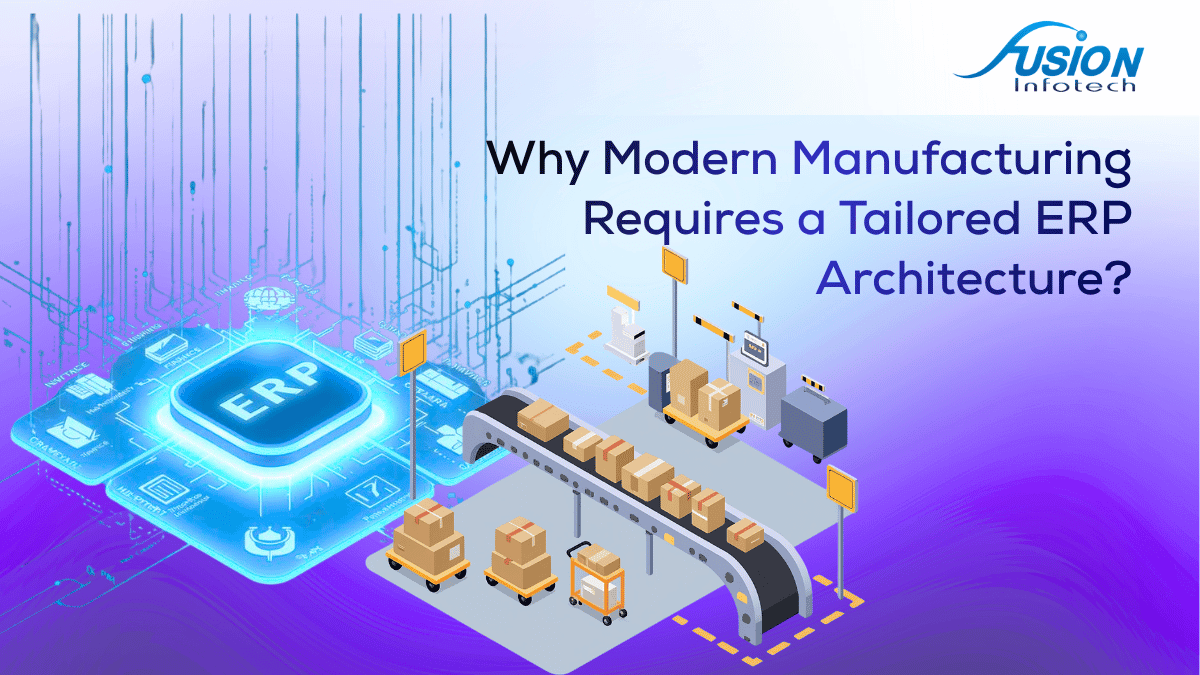
The manufacturing landscape involves complex, interdependent workflows: chemical recipe formulations, multi-stage assembly routing, machine capacity planning, and strict quality control checks. Off-the-shelf software or basic accounting utilities cannot handle these intricate industrial dependencies.
Implementing a specialized system like SAP Business One ERP for manufacturing and distribution is essential for several strategic reasons:
SAP Business One centralizes production planning and routing. It allows plant managers to establish multi-level Bills of Materials (BOMs), issue accurate production orders, monitor Work-in-Progress (WIP) inventories, and track actual vs. planned production costs in real time.
In distribution and manufacturing, excess inventory ties up working capital, while stockouts disrupt assembly lines and alienate customers. SAP Business One’s integrated Material Requirements Planning (MRP) engine calculates exact material requirements based on active sales orders, demand forecasts, and lead times, ensuring optimal stock levels across all warehouses.
When sales teams enter a custom order, the ERP system automatically checks inventory levels, reserves raw materials, updates production schedules, and alerts procurement if purchase orders are necessary. This synchronized flow eliminates communication delays between commercial offices and factory floors.
Powered by SAP HANA in-memory computing, SAP Business One provides interactive dashboards and key performance indicator (KPI) tracking. Executives can monitor capacity utilization, scrap/scrap variance rates, vendor delivery performance, and overall operational margins at a glance.
As your distribution routes expand or manufacturing capacity increases, SAP Business One scales effortlessly alongside your growth. It supports multi-location warehouses, bin-location tracking, multi-currency transactions, and international trade regulations without requiring a system redesign.
Operating in regional markets like Bangladesh requires strict adherence to statutory framework requirements. SAP Business One natively accommodates local tax structures, value-added tax (VAT) accounting, and National Board of Revenue (NBR) compliance, protecting your business from audit penalties.
The modern distribution sector faces severe structural hurdles: volatile shipping lead times, rising fuel costs, shifting consumer expectations for same-day delivery, and complex order management.
Traditional distribution methods struggle with:
Deploying SAP Business One ERP for manufacturing and distribution directly addresses these friction points. By automating order fulfillment, integrating barcode scanning logic, and utilizing predictive demand forecasting, wholesale distributors protect narrow margins and secure a competitive advantage in high-velocity trading markets.
Selecting world-class software like SAP Business One is only half the equation; system performance depends entirely on the technical expertise of your implementation partner. High-volume industrial migrations demand executive-led blueprinting, accurate master data migration, and custom module engineering.
As a certified SAP Technology Partner and premier digital transformation authority in Bangladesh, Fusion Infotech brings over a decade of hands-on deployment experience. Our certified enterprise software engineers handle the complete lifecycle:
Running a modern manufacturing plant or wholesale distribution network on legacy, disconnected software presents an unsustainable risk to profitability and market share. SAP Business One ERP for manufacturing and distribution provides the visibility, structural stability, and operational automation required to protect narrow margins and drive sustained growth.
By automating manual tasks, uniting cross-departmental operations into a single database, and harnessing live business intelligence, SAP Business One transforms your enterprise into a agile, data-driven machine.
Ready to eliminate technical debt, optimize your supply chain, and scale your operations safely? Partner with the region's premier digital transformation authorities. Contact the senior consultants at Fusion Infotech today to schedule your comprehensive enterprise blueprinting session and secure your long-term digital growth.


.svg)
© 2025 Fusion Infotech Ltd. All rights reserved.






.png)
