
The corporate landscape in Bangladesh is undergoing a profound structural paradigm shift. As digitization sweeps through manufacturing, retail, financial services, and healthcare, legacy operational structures are no longer sufficient to maintain market leadership. To manage complex supply chains, multi-tiered financials, and distributed human resources, enterprises increasingly depend on automated systems.
At the center of this transformation is SAP (Systems, Applications, and Products in Data Processing). SAP has emerged as the global benchmark for enterprise resource planning (ERP) software, enabling organizations to unify fragmented operational silos into a single source of truth. However, deploying a complex digital core requires strategic alignment, technical acumen, and meticulous execution. This is where professional SAP consulting services become indispensable.
As a premier digital transformation architect in Southeast Asia, Fusion Infotech provides this comprehensive framework to help businesses align, implement, and optimize their SAP ecosystems to guarantee sustainable operational efficiency and high investment returns.
SAP ERP Consulting is a highly specialized domain focusing on matching a company's unique operational needs with the extensive functionality of SAP’s software ecosystem. Founded in Germany, SAP SE has evolved into the world leader in enterprise business applications, offering scalable solutions across Enterprise Resource Planning (ERP), Customer Relationship Management (CRM), and Business Intelligence (BI).
In Bangladesh, the demand for SAP consulting has surged. Modern market agility requires that a business does not merely automate manual processes but dynamically integrates procurement, supply chain, and financials to enable instant corporate visibility.
Modern computing requires advanced corporate speed. Traditional database systems process data in batches, creating reporting lags. SAP revolutionized this through SAP HANA, an in-memory database platform that eliminates transactional friction by processing vast pools of enterprise data in real time.
Professional SAP consulting goes far beyond software installation. It involves a systematic analysis of corporate operational gaps, business process re-engineering (BPR), data migration mapping, and long-term post-implementation support to safeguard operational continuity.
Many organizations fail to realize the full value of an ERP system because they view its deployment strictly as an IT software installation rather than a comprehensive business transformation strategy. A successful execution requires a thoroughly designed, multi-phase roadmap.
[Discovery & Strategic Planning] ➔ [Business Blueprinting] ➔ [System Configuration & Customization] ➔ [Data Migration & User Testing] ➔ [Go-Live & Post-Support]
Consultants work closely with corporate leadership to audit legacy IT infrastructure, isolate operational bottlenecks, and define clear key performance indicators (KPIs).
During this phase, existing processes are mapped against SAP best practices. Gaps between standard SAP functionality and unique organizational workflows are meticulously documented to determine required custom developments.
The core system is configured, user access controls are defined, and customized functionalities—such as specialized reporting dashboards, custom transaction tracking, and localization adjustments for country-specific taxation—are coded into the system architecture.
Legacy databases are cleaned, validated, and migrated to the secure SAP database layer. Concurrently, end-users undergo strict UAT cycles to guarantee real-world system readiness.
The platform goes live, shifting the organization to its new digital core. Ongoing technical support, system tuning, and regular patch management are deployed to avoid unexpected downtime.
The massive economic value delivered by SAP is best illustrated by its adoption across the most influential corporate houses and multinational subsidiaries operating within Bangladesh:
| Company Name | Industry Sector | Core SAP Application Domains |
|---|---|---|
| Unilever Bangladesh Limited | Fast-Moving Consumer Goods (FMCG) | Advanced Supply Chain Management, Global Financial Compliance, Enterprise CRM |
| Robi Axiata Limited | Telecommunications | Distributed Enterprise Billing Networks, Customer Experience Management |
| British American Tobacco BD | Manufacturing & Distribution | End-to-End Procurement, Multi-Tier Logistics, Financial Consolidation |
| Grameenphone Limited | Telecommunications | High-Volume Billing Data Integration, Scalable Customer Relationship Architecture |
| Square Pharmaceuticals Limited | Pharmaceuticals | Regulatory Quality Compliance, Procurement Tracking, Asset Maintenance |
| Berger Paints Bangladesh Limited | Chemical Manufacturing | Material Requirements Planning (MRP), Inventory Control, Financial Accounting |
These industry leaders demonstrate that whether managing distributed consumer supply chains or navigating rigorous pharmaceutical quality regulations, SAP serves as the foundation for modern enterprise optimization.
To satisfy this mounting enterprise demand, a robust network of local IT consulting and digital transformation agencies has expanded capabilities to support SAP systems. Notable consulting entities operating within the local landscape include:
Partnering with an experienced local implementation team allows organizations to bridge the gap between complex global software standards and unique local business realities, such as domestic banking integrations and regional statutory reporting.
Determining the ideal implementation consultant or advisory partner is a critical step in an enterprise's digital journey. Globally, top-tier consultants are evaluated by their contribution to best practices, technical innovation, and historical project success rates.
Industry Reference Standards
When selecting an enterprise consulting partner or advisory team locally, businesses must prioritize partners with a proven track record of successful go-lives, deep industry-specific insight, and the technical infrastructure to provide reliable, round-the-clock post-implementation maintenance.
The widespread corporate adoption of enterprise resource planning platforms has turned SAP consulting into one of the fastest-growing and highest-compensated career paths within the modern IT industry.
An SAP consultant serves as the vital link between complex software configurations and real-world business requirements. They must possess a deep understanding of legacy systems, business process re-engineering, and advanced computing languages to deploy scalable, high-performing enterprise architectures.
The professional consulting landscape is divided into distinct, specialized archetypes tailored to different components of the software environment:
Because implementing and maintaining an ERP digital core requires highly specialized skills, compensation packages for SAP professionals in Bangladesh reflect their high market demand.
Entry-Level (0-3 Yrs): BDT 50,000 - BDT 100,000 / month
━━━━━━━━━━━━━━━━━━━━━━━━━━━━━━━━━━━━━━━━━━━━━━━━━━━━━━━━━━━━
Mid-Level (3-7 Yrs):   BDT 100,000 - BDT 180,000 / month
━━━━━━━━━━━━━━━━━━━━━━━━━━━━━━━━━━━━━━━━━━━━━━━━━━━━━━━━━━━━
Senior / Expert (10+): BDT 300,000+ / month
While individual compensation packages fluctuate based on location, corporate scale, and gender equity metrics, the industry average across the professional spectrum sits at approximately BDT 28,500 per month for base entry configurations, scaling cleanly up to BDT 45,400 per month for established technical roles. Top-tier functional architects and certified principal consultants with extensive implementation experience routinely command premium market rates.
Many technical professionals and functional specialists consider pursuing higher education, such as an MBA in Finance or a Master's degree in Management Information Systems, to accelerate their career path.
A reputable post-graduate program in Bangladesh requires a capital investment ranging from BDT 130,000 to BDT 390,000, alongside a two-year academic time commitment.
While employers rarely grant immediate salary advancements during the active study period, an advanced academic degree provides significant long-term returns. Professionals transitioning to new enterprise consulting roles or senior advisory positions after completing an MBA routinely secure a 10% increase in compensation compared to normal, flat annual career increments.
For consultants focused on management tracks, project directorship, or functional architecture, an MBA offers a distinct competitive advantage, allowing them to translate complex financial statements and corporate supply chain strategies into precise software requirements.
On a daily basis, an enterprise consultant carries out a highly technical array of tasks designed to keep corporate operations running smoothly:
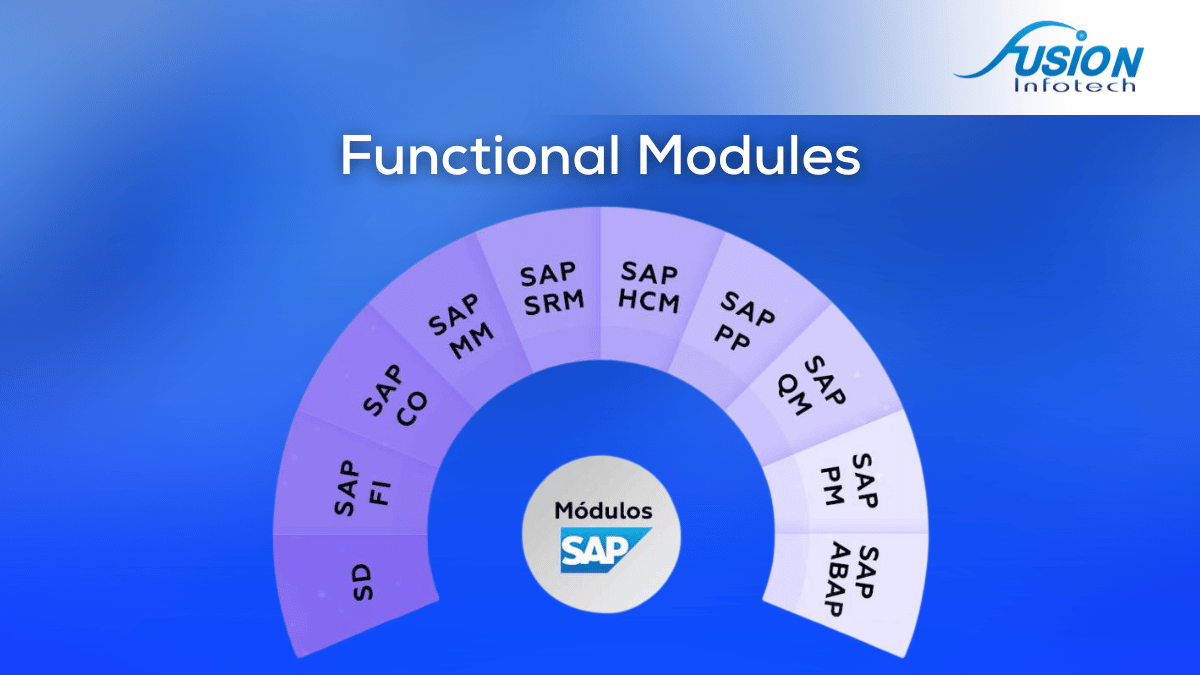
To build a proficient internal support desk or prepare individuals for certified consulting careers, enterprises and technical professionals must focus on specific operational modules:
The standard for modern enterprise operations is defined by SAP S/4HANA. Built entirely on the high-speed SAP HANA in-memory database engine, S/4HANA acts as the centralized digital core of the modern corporate entity.
┌─────────────────────────────┐
│ SAP S/4HANA Core ERP │
└──────────────┬──────────────┘
│
┌────────────────────────┼────────────────────────┐
▼ ▼ ▼
┌──────────────┐ ┌──────────────┐ ┌──────────────┐
│ Workforce │ │ Customers │ │ Suppliers │
└──────────────┘ └──────────────┘ └──────────────┘
This next-generation suite unifies every operational facet into a single living structure. By connecting the internal workforce, supply chain networks, external vendor assets, and transactional channels directly to the database core, it provides organizations with continuous live performance analytics.
Through SAP S/4HANA Enterprise Management, corporate teams in Bangladesh can ditch outdated batch-processing habits. Instead, they can embrace real-time predictive reporting, streamlined warehouse management, and instant multi-company financial closing, helping them scale securely in an increasingly competitive regional market.
The dramatic rise in SAP implementations across Bangladesh's economic sectors is driven by several critical factors:
Transitioning an organization to a centralized digital core is a significant strategic move. While the advantages of using SAP—including real-time data visibility, lower transaction costs, and optimized operational workflows—are clear, achieving long-term project success depends heavily on your choice of implementation partner.
With over a decade of deep technical experience across Bangladesh and Southeast Asia, Fusion Infotech Limited serves as a trusted guide for your digital transformation. From original license acquisition and precise business blueprinting to customized ABAP development, technical module training, and S/4HANA migration, Fusion Infotech combines global technical standards with deep local market insights. Partnering with their certified experts allows your business to future-proof its workflows, protect its data assets, and drive lasting enterprise value.


.svg)
© 2025 Fusion Infotech Ltd. All rights reserved.







.png)
