
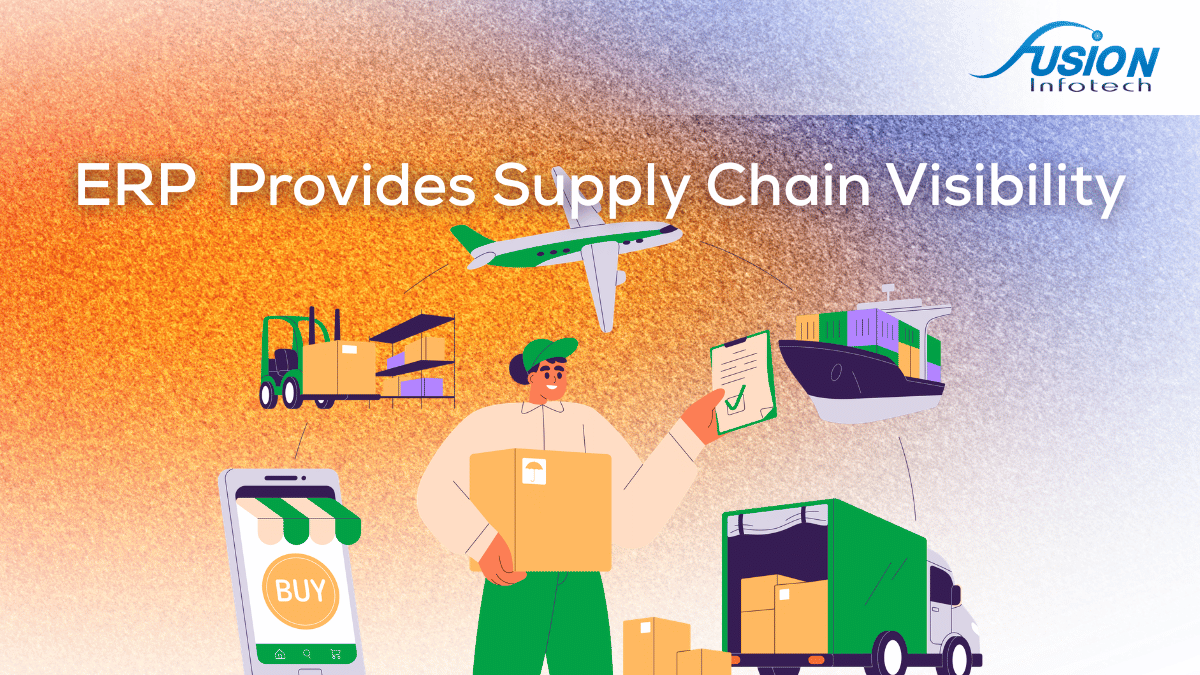
Navigating the multi-tiered industrial network in Bangladesh presents complex logistical realities for enterprise leaders and operations experts. From managing raw material arrivals at Chattogram Port to coordinating transit schedules through congested arterial routes across Dhaka, Gazipur, Narayanganj, and regional distribution centers, maintaining complete operational awareness is a continuous challenge.
Without integrated digital systems, supply chains operate in blind spots—leading to unpredicted stockouts, excessive safety stock buffers, delayed order fulfillment, and compressed profit margins.
Enterprise Resource Planning (ERP) systems act as central nerve networks, illuminating every touchpoint along the supply chain. By centralizing transactional data from procurement, warehousing, production, and sales onto a single, real-time platform like SAP Business One, ERP software converts operational complexity into actionable business intelligence.
At Fusion Infotech, Bangladesh’s premier certified SAP technology authority and enterprise implementation partner, we deploy connected ERP solutions that empower manufacturing conglomerates, wholesale distributors, and retail networks with total supply chain transparency.
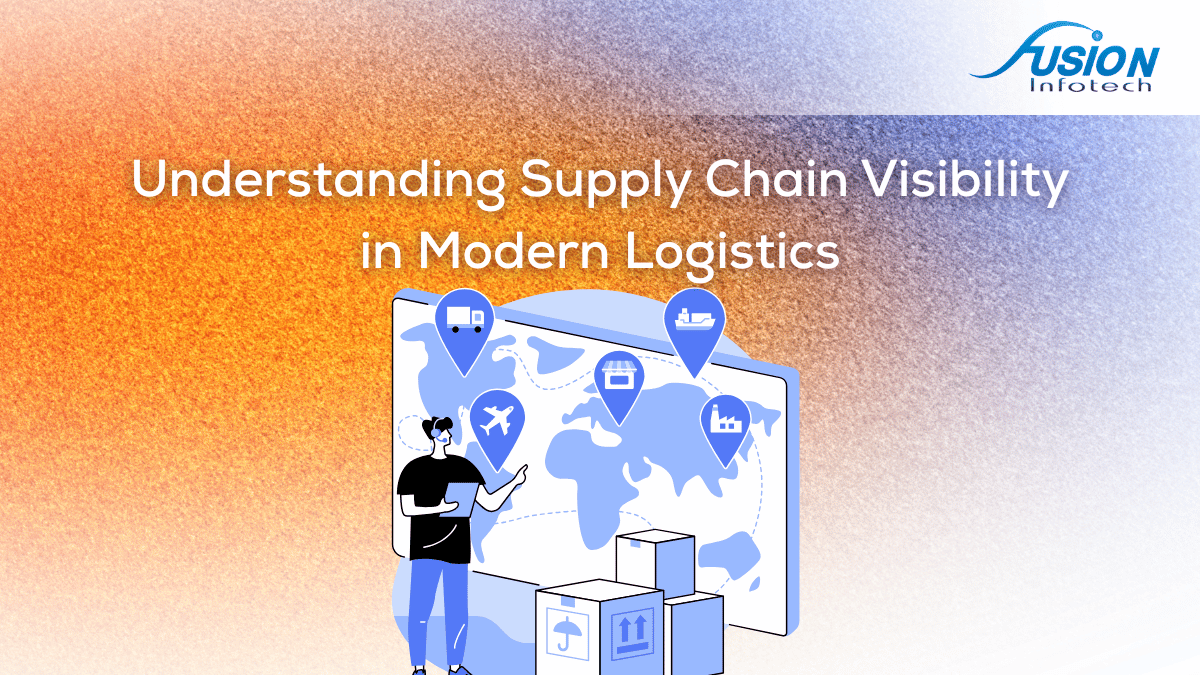
In supply chain management, supply chain visibility refers to the ability to track, analyze, and monitor every physical asset, inventory lot, and transactional record as it moves from original suppliers, through manufacturing plants and storage warehouses, to end clients.
Achieving complete visibility requires real-time access to three core operational pillars:
When an organization achieves full supply chain visibility, logistics leaders can anticipate market disruptions, address port delays proactively, and maintain reliable delivery commitments for corporate clients.
Modern ERP systems like SAP Business One are built with specialized capabilities designed to eliminate logistical opacity:
Centralizes disparate departmental records into a single database. Procurement, warehouse operations, plant engineering, and finance share an identical set of data, eliminating departmental silos and conflicting inventory figures.
Captures live status updates on stock movements, goods receipt notes (GRN), and order processing stages across multi-warehouse configurations nationwide.
Employs advanced algorithms and historical sales trends to forecast future material requirements accurately. This ensures plant managers procure exact quantities of raw materials at optimal lead times.
Automates purchase order issuance, vendor confirmation tracking, and invoice matching. Supplier scorecards evaluate vendor lead-time compliance and defect rates automatically.
Optimizes bin-location allocation, batch and serial number tracking, pick-pack-ship sequences, and cycle counting routines, increasing warehouse throughput and reducing picking errors.
Generates interactive executive dashboards tracking key performance indicators (KPIs) such as Order Fill Rate, On-Time In-Full (OTIF) delivery, Inventory Turnover Ratio, and Carrying Costs.
Automates compliance workflows required by Bangladesh authorities, including NBR Mushak tax invoice generation (Mushak 6.3), Tax Deduction at Source (TDS), and statutory audit trails.
The true power of an ERP system lies in the seamless coordination among its core functional modules:
[ Supplier Purchase Order Issued ]
│
▼
[ Goods Receipt Note (GRN) ]
(Stock Updated in Real-Time)
│
▼
==========================================
[ SAP Business One Core (SAP HANA DB) ]
==========================================
│
┌─────────────────────────────┼─────────────────────────────┐
▼ ▼ ▼
[ Live Inventory Ledger ] [ MRP Production Order ] [ General Ledger Accounting ]
(Bin-Location Assigned) (Raw Materials Allocated) (NBR Tax & Landed Costs Logged)
Deploying an integrated ERP platform through Fusion Infotech unlocks distinct operational advantages:
To maximize supply chain performance, modern ERP solutions integrate smoothly with specialized external logistics software, such as Transportation Management Systems (TMS), Third-Party Logistics (3PL) partner portals, and Point of Sale (POS) terminals.
This API-driven integration establishes bidirectional data flows, enabling fleet managers to stream live GPS container coordinates into the ERP while automatically updating shipment milestones for clients.
Beyond logistics tracking, an ERP unifies supply chain activities with corporate financial management:

Selecting the right ERP solution requires careful alignment between technology capabilities and long-term strategic goals. For small, medium, and growing enterprises (SMEs) across Bangladesh, SAP Business One stands out as an optimal enterprise platform.
When evaluating potential ERP solutions, executive teams should consider:
ERP supply chain visibility is the real-time tracking and monitoring of inventory, production processes, purchase orders, and transport schedules across a centralized digital platform.
ERP platforms use Material Requirements Planning (MRP) engines that analyze lead times, historical sales trends, and minimum reorder levels to calculate exact reorder points automatically.
Yes. SAP Business One features open integration architecture (using RESTful APIs and the SAP Integration Framework) that connects seamlessly with local barcode scanners, WMS applications, and transport management platforms.
Fusion Infotech brings certified SAP expertise, a proven track record across manufacturing and distribution sectors, and specialized localization modules for NBR VAT compliance, ensuring rapid deployment and measurable ROI.
Operating a modern supply chain in Bangladesh on disconnected software tools, manual ledger entries, or offline spreadsheets exposes organizations to severe operational risk. Adopting an integrated ERP system to achieve end-to-end supply chain visibility replaces operational opacity with complete transparency, enabling proactive management, reduced carrying costs, and accelerated growth.
By consolidating procurement, warehouse logistics, manufacturing schedules, and financial accounting onto a single, real-time database, SAP Business One turns supply chain management into a strategic growth engine.
Contact our senior enterprise consulting team at Fusion Infotech today to schedule a comprehensive supply chain assessment and live SAP Business One demonstration.


.svg)
© 2025 Fusion Infotech Ltd. All rights reserved.







.png)
