
Welcome to the definitive ERP FAQ! As enterprise architects and digital transformation specialists at Fusion Infotech, we understand that evaluating, selecting, and implementing a new software system is one of the most critical decisions an organization will ever make.
Enterprise Resource Planning (ERP) is a complex and multifaceted architecture that businesses use to manage multi-tiered operations. Whether you are scaling a fast-moving consumer goods (FMCG) company, managing a complex manufacturing supply chain, or aiming to unify financial reporting, understanding the fundamental mechanics of an ERP is your first step toward success.
In this comprehensive guide, we will answer the most frequently asked questions about ERP—covering what it is, the mechanics of cloud versus on-premise deployments, the cost of implementation, and the hidden challenges of change management. By the end of this article, you will be equipped to make data-driven decisions that can streamline operations and secure long-term enterprise growth. Let’s dive in!
An ERP (Enterprise Resource Planning) system is an enterprise-grade software solution that integrates all core business operations into a single, centralized digital platform.
Instead of running accounting on one software, inventory on another, and HR on a third, an ERP system unifies these departments. It allows businesses to manage and automate finance, manufacturing, HR, CRM, and supply chains from a single source of truth. By breaking down data silos, ERP systems provide real-time data and actionable insights, enabling managers to make instant, informed decisions.
When managing business operations, integrating disparate "best in class" tools often creates a nightmare of "technical debt."
If your accounting software cannot speak natively to your warehouse software, you face data lags, manual entry errors, and disjointed reporting. An ERP system offers a comprehensive suite of functionality on a single integrated platform. This ensures data accuracy, strict statutory compliance, and immediate visibility across the entire company. The built-in scalability of platforms like Fusion Robust ERP allows your organization to grow without constantly replacing or patching independent software tools.
Choosing the right ERP system requires a strategic evaluation of your organization's unique operational bottlenecks.
The debate between on-premise and cloud ERP is largely settling in favor of the cloud.
Due to the demand for remote accessibility and data security, modern enterprises strongly prefer cloud deployments.
Attempting a DIY implementation of an enterprise-grade ERP is highly discouraged.
Implementing an ERP is not like installing basic desktop software; it is a complex process of business process re-engineering (BPR), data migration, and custom coding. Trying to execute this without a team of certified architects often leads to budget overruns, system crashes, and employee frustration. Hiring a professional implementation partner like Fusion Infotech ensures your project is completed securely, on time, and aligned with industry best practices.
ERP implementation timelines (often ranging from 6 to 18 months) are driven by the complexity of the execution phases.
The process includes rigorous business blueprinting, where existing workflows are mapped against the software. Then comes system configuration, complex legacy data cleansing, and extensive User Acceptance Testing (UAT). Each phase presents unique challenges—especially migrating decades of messy historical data. Furthermore, the implementation must happen concurrently with daily business operations without causing downtime, requiring meticulous project management.
Absolutely. Change management is arguably the most critical factor in project success.
A new ERP system radically alters daily workflows. If employees do not understand why the change is happening or how to use the new system, they will resist it. Poor user adoption is the number one cause of ERP failure. A solid change management strategy—involving executive sponsorship, transparent communication, and extensive user training—is vital to ensuring a smooth transition.
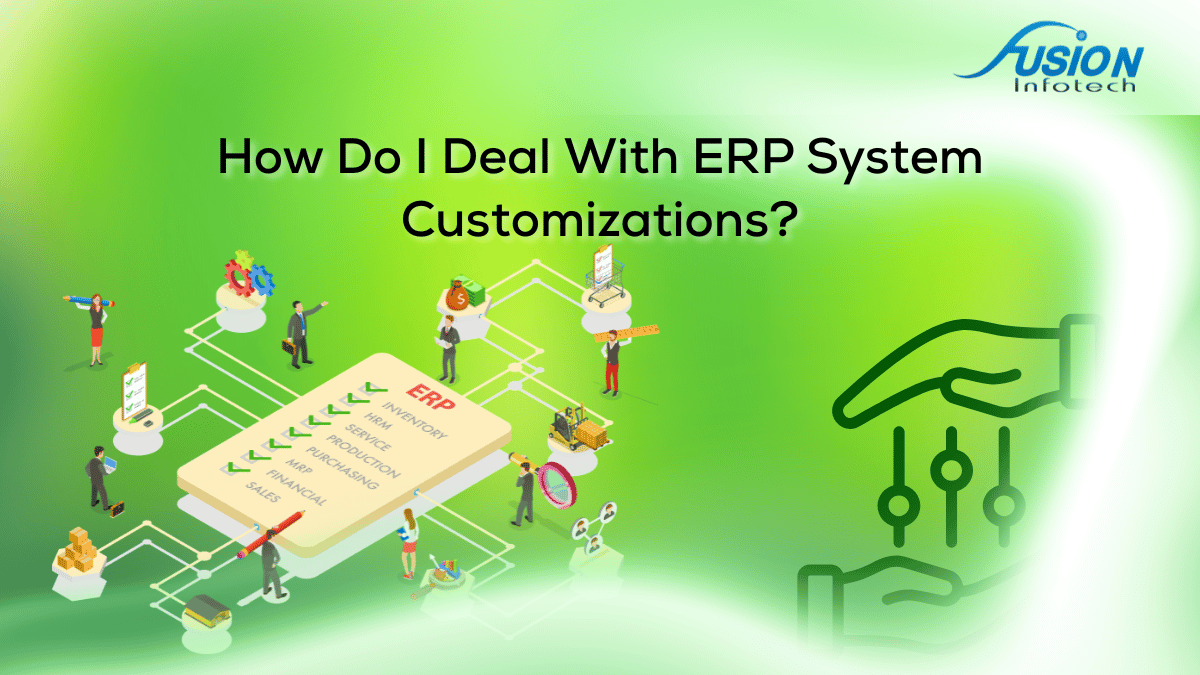
When dealing with customizations, the golden rule is: Stick to standard functionality whenever possible.
Heavy customizations make the system unstable and incredibly difficult to upgrade in the future. Before customizing, ask if the business process can be adapted to fit the software's best practices, rather than rewriting the software to fit a flawed legacy process. If customization is strictly necessary for a competitive advantage, it must be executed by certified developers using modern APIs to ensure it does not break during future cloud updates.
No. An ERP system is a living digital ecosystem, not a "set it and forget it" tool.
Proper ERP management requires ongoing system tuning, database optimization, and continuous user training. As your business evolves, the ERP must be adapted to handle new product lines, updated tax regulations, and new organizational structures. Investing in continuous post-go-live support is essential to maximize your long-term ROI.
Industry-specific ERPs require highly specialized modules. For example, in the Food & Beverage or Pharmaceutical sectors, priorities must include:
Yes. Comprehensive training is a mandatory phase of any professional implementation. Depending on the organizational scale, training usually follows a "Train the Trainer" model. Key power users are trained extensively by the implementation consultants, and those power users then train their respective departmental teams.
By eliminating manual data entry across disparate systems, ERPs drastically reduce human error. Because data flows automatically from sales to the warehouse to accounting, operational speed increases exponentially. Real-time analytics dashboards allow C-suite executives to monitor performance instantly, enabling agile, data-driven decisions that improve overall corporate profitability.
A Low/No-Code ERP refers to modern systems designed with intuitive, drag-and-drop interfaces that allow business users to configure basic workflows, build reports, or create custom fields without needing a background in software engineering. While complex architectural changes still require developers, low-code environments empower departmental managers to quickly adapt the system to minor operational changes.
Successful planning requires a structured roadmap:
The cost is highly variable and consists of three main pillars:
To guarantee success, adhere to these proven best practices:
The most severe risks include:
The Return on Investment (ROI) for an ERP is not immediate, but it is massive.
An effective deployment yields returns through reduced administrative overhead, optimized inventory carrying costs, faster order fulfillment, and the elimination of disjointed legacy software licenses. Organizations often see significant financial and operational improvements within 12 to 18 months post-go-live. By choosing the right ERP system and implementing it successfully, the software pays for itself by facilitating scalable, long-term enterprise growth.
Transitioning to a unified ERP system is a defining moment for any enterprise. While the software itself provides the tools for automation and real-time intelligence, the true differentiator between a costly IT failure and a transformative business success is the team that builds it.
An ERP is the digital backbone of your organization. Understanding the nuances of cloud infrastructure, data migration, and change management is essential, but executing them flawlessly requires elite expertise.
With over 13 years of regional experience, Fusion Infotech is the trusted partner for Tier-1 corporate implementations in Bangladesh. Whether deploying global titans like SAP and Oracle, or implementing our proprietary Fusion Robust ERP, we ensure your architecture is secure, scalable, and perfectly aligned with your business objectives.
Ready to streamline your operations and future-proof your enterprise? Do not navigate the complexities of ERP implementation alone. Contact the certified consultants at Fusion Infotech today to schedule your comprehensive business blueprinting session.

.svg)
© 2025 Fusion Infotech Ltd. All rights reserved.





.png)
