Cloud ERP software solutions are rapidly transforming how businesses operate in Bangladesh. In the past, companies had to purchase expensive, bulky hardware to install an on-premise ERP system. These legacy systems required constant maintenance, manual updates, and hefty IT budgets. However, thanks to rapid technological advancements, cloud ERP software is now far more affordable, accessible, and user-friendly.
If you are currently using traditional ERP software to manage your day-to-day business activities, you have likely experienced performance bottlenecks. Traditional systems struggle to support multiple users simultaneously and lack real-time accessibility. To overcome these limitations, businesses across Bangladesh are shifting to cloud-based enterprise resource planning (ERP) solutions. These modern platforms securely store your data in the cloud and integrate all essential business modules into a single, unified interface.
In this comprehensive guide, we will explore the best Cloud ERP software in Bangladesh, highlighting the core benefits, top vendors, and vital factors to consider before making your investment.
What is Cloud-Based ERP Software?
Cloud computing is an innovative technology where data is stored, managed, and processed on remote servers accessed via the internet, rather than on a local computer hard drive.
The concept gained massive corporate popularity pioneered by tech giants like Google, Amazon (AWS), and Microsoft (Azure). According to Wikipedia:
"Cloud computing is the on-demand availability of computer system resources, especially data storage and computing power, without direct active management by the user."
A Cloud ERP Software solution applies this technology to business management. It is a web-based application accessed through a browser that connects all business operations—from HR and payroll to inventory, accounting, and finance—in one secure, centralized cloud environment.
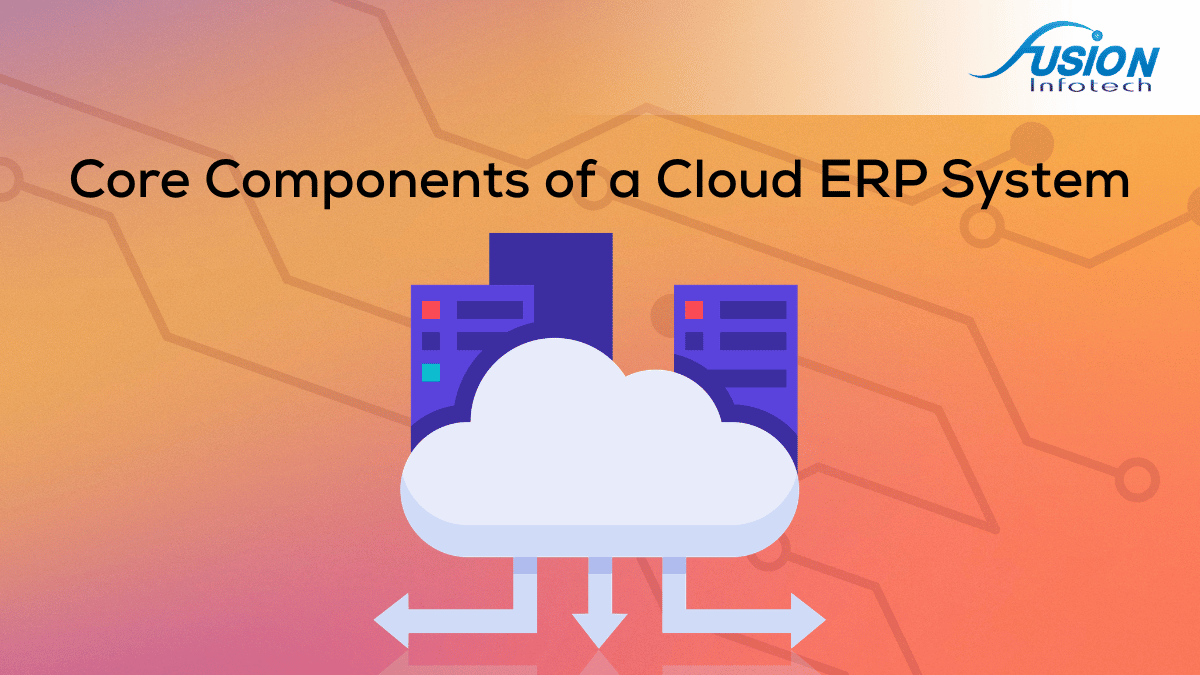
Core Components of a Cloud ERP System
The exact structure of a cloud-based ERP system can vary depending on your industry, but common core components include:
Core ERP Software: The backbone of the system, featuring pre-installed applications that make data entry, automation, and operational tracking simple. Reputable providers offer regular automated fixes and feature updates.
Integrated Data Management: This feature allows administrators to key in, sync, and track data across one unified system. Whether you are checking credit card accounts or monitoring different lines of business, all information stems from a single source of truth.
Cloud Hosting Infrastructure: This keeps your systems seamlessly connected. You can monitor your business metrics, approve workflows, and analyze real-time data from anywhere in the world.
Key Benefits of Cloud ERP Software in Bangladesh
If you are wondering why local manufacturing, retail, and service industries are adopting cloud computing, the advantages speak for themselves:
Reduced Maintenance Costs: Unlike on-premise ERPs, cloud ERPs eliminate the need for physical servers. Businesses can focus on core operations without worrying about IT maintenance or hardware security.
Lowering Overall Cost: Cloud ERP saves organizations a lot of money by significantly reducing the installation, deployment, and operational costs.
Increased Productivity: Cloud solutions receive instant updates. Your team always has access to the latest features within seconds, speeding up workflows and boosting overall operational efficiency.
High Scalability: Expanding an on-premise system takes weeks. With a cloud ERP, you can get the latest, improved versions and scale up user capacity in a matter of hours.
24/7 Global Accessibility: Giving you a centralized view of your entire business, cloud ERPs let you access critical files and make informed decisions 24/7, even when you are away from the office.
Cross-Platform Compatibility: Whether your team uses Windows, Mac, or Linux, cloud ERP applications run seamlessly through secure web browsers.
Enhanced Security: All sensitive and confidential data is encrypted and backed up on secure remote servers, protecting your business from local hardware failures.
Top 5 Global Cloud ERP Solutions in Bangladesh
When evaluating the best ERP software providers globally that serve the Bangladeshi market, these five platforms stand out:
Oracle ERP Cloud: A highly powerful, versatile system suited for enterprises of all sizes. By consolidating critical business data into one platform, Oracle helps streamline processes and boost profitability, backed by a wealth of advanced analytics tools.
SAP S/4HANA Cloud: The latest generation of SAP’s enterprise software. Designed for maximum efficiency, it allows companies to manage complex business processes globally with real-time insights and reduced operating costs.
SAP Business One Cloud: Ideal for growing SMEs. It provides a centralized platform for managing sales, marketing, finance, and customer service, allowing for rapid, data-driven decision-making.
NetSuite Cloud ERP: Known as a leading cloud ERP, NetSuite offers robust tools for finance, operations, and CRM. Its highly responsive design means executives can manage operations seamlessly from any mobile device, no matter where they are.
Odoo Cloud: Famous for its easy-to-use, modular approach, Odoo offers excellent scalability, high security, and affordability, making it a favorite for modern business professionals.
Best Local ERP Software Providers in Bangladesh
Alongside global giants, several homegrown tech companies have developed tailored, localized cloud ERP solutions. These are highly cost-effective and built specifically for the local business ecosystem:
1. Fusion Infotech
2. SmartERP
3. ERP.COM.BD
4. PrismERP
5. XERP
6. iBOS ERP
How to Implement a Cloud-Based ERP Solution Successfully
Transitioning to an ERP can be challenging. To ensure a successful rollout, businesses must adapt to the changing IT landscape:
Embrace the Change: Acknowledge that the IT landscape is shifting toward platforms like AWS, Google Cloud, and Azure. Businesses must change their thinking and adapt to how modern IT operates to stay competitive.
Focus on Security: Ensure that information security is addressed at a high level from a business-wide perspective.
Prepare Your Workforce: Technology heavily impacts employees. Ensure staff members understand how the software improves their daily roles, and provide ample training to ease the learning curve.
Choosing the Right Cloud ERP System: Factors to Consider
Implementing business solutions is a major decision. Before choosing a cloud ERP software in Bangladesh, analyze the following factors:
Your Business Needs: Every ERP comes with different features and modules. Identify your essential needs and choose a pricing plan that fits your budget.
Technology Environment: Ensure your organization has the necessary hardware, software resources, and internet bandwidth to run a cloud ERP system effectively.
Company Size: Cloud ERP solutions are designed to handle complex data, but small businesses need to ensure the software won't be too difficult to integrate with their current IT infrastructure.
Financial Needs: Determine if a SaaS (Software as a Service) monthly subscription or an annual billing model aligns better with your cash flow to avoid paying for perpetual licenses you don't need.
Drawbacks and Disadvantages to Keep in Mind
While cloud ERPs are transformative, it is important to be aware of potential drawbacks:
Dependence on Connectivity: A cloud failure or internet outage can temporarily restrict real-time access to your data.
Data Privacy Concerns: It can be difficult to know exactly where your data is geographically stored and if it is fully secure from third-party breaches.
Training Requirements: Shifting to a cloud environment often demands more comprehensive staff training compared to legacy tools they are already used to.
Conclusion
The era of bulky, expensive localized software is over. Today, the best Cloud ERP software in Bangladesh empowers businesses to be agile, cost-effective, and hyper-connected. Whether you opt for an international powerhouse like Oracle or SAP, or a customized local solution, migrating to the cloud is a critical step toward future-proofing your operations. Evaluate your needs, prepare your team, and unlock your organization's full potential with the power of cloud computing!
Mohammad Makshuder Rahman
Co-Founder, CTO & Chairman of Fusion Infotech
He is the Co-Founder, CTO, and Chairman of Fusion Infotech Limited. With an MBA, a CIS degree , and over 23 years of Oracle experience , he drives technical excellence and digital transformation. He holds multiple Oracle certifications, including Cloud Certified Architect.



.svg)





.png)
